
There is so much focus in schools on performance, grades, deadlines.
And very little space is for teens to understand themselves.
That’s one of the reasons I teach the chakras.
Not in a mystical, abstract way; but in a grounded, practical way that can help students reflect on their feelings and experiences.
Because teenagers are often overwhelmed, and the chakra system can give them a view to what’s happening inside.
it provides language
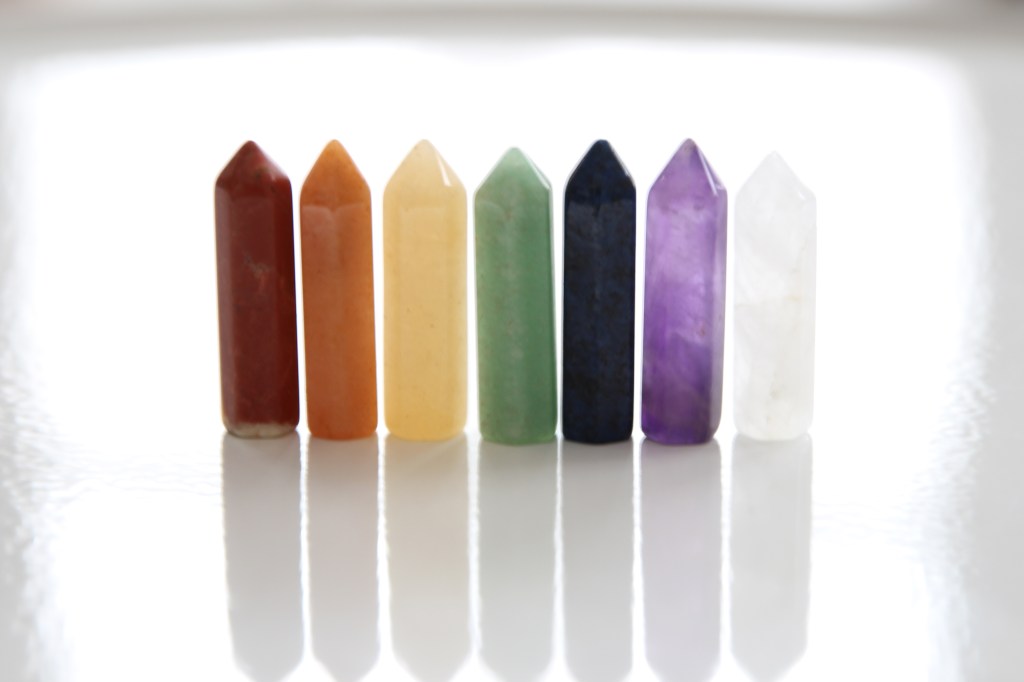
The chakra system comes from ancient yogic philosophy. There are seven main energy centers in the body, each associated with different emotional and psychological themes.
- Root chakra: safety, belonging, stability
- Sacral chakra: emotions, relationships, creativity
- Solar plexus chakra: confidence, identity, personal power
- Heart chakra: compassion, connection
- Throat chakra: expression, speaking truth
- Third eye chakra: insight, perspective
- Crown chakra: meaning, purpose
For teens, this framework becomes incredibly practical. For example, this can help shift from a language of “I don’t know what’s wrong with me,” to “I don’t feel safe here.” And it is much easier to regulate an emotion you can name than one you can’t.
it normalizes feelings
When we introduce chakras in a developmentally appropriate way, we’re essentially saying:
- It makes sense that you care deeply about belonging. (Root)
- It makes sense that friendships feel intense. (Sacral)
- It makes sense that you’re questioning who you are. (Solar Plexus)
- It makes sense that you want to be understood. (Throat)
it builds emotional literacy
Some students shut down when things feel too clinical or too heavy. The chakra framework is different. It’s reflective, not diagnostic.
Instead of pointing out a lack of assertiveness, we can ask what it would feel like to be empowered. This gives students a way to visualize the feelings they would like to embody, rather than focusing on areas of lack.
it integrates mind and body
Teens live in their heads. Chakra work gently brings them back into their bodies.
When they ground their feet in mountain pose, they are strengthening their root chakra, their sense of security. When they expand the chest with deep inhales, they are breathing into their heart chakra, their sense of compassion. Practicing affirmations can strengthen the throat chakra. And so on.
Over time, this builds:
- Self-awareness
- Emotional vocabulary
- Personal responsibility
- Compassion for others
- Confidence rooted in self-knowledge
it is growth through scaffolding
One of the things I love most about teaching the chakras is that it shows teens growth is layered. You don’t jump to your life’s purpose (crown chakra) without first feeling safe (root chakra). You don’t build strong relationships (heart) without first knowing who you are (solar plexus).
This helps them understand that growth isn’t random – it’s structured, and it starts within.
how i teach the chakras
I teach chakras in ways that are:
- Secular and accessible
- Developmentally appropriate
- Connected to movement and reflection
- Rooted in choice and autonomy
We explore themes, journal, practice movement – especially yoga and breathwork. And we reflect.
if you’d like to teach the chakras…
I’ve created a full Chakras Bundle designed specifically for middle and high school students.
It includes:
- Clear, teen-friendly explanations
- Reflection prompts
- Yoga flows connected to each chakra
- Visual reference pages and templates
- Art and writing activities that are ready to teach
Teenagers don’t need more pressure. They need tools, language, and safe spaces where their inner world is taken seriously.
Teaching the chakras helps to give them that space.
And in my experience, when you give teens a framework to understand themselves, they rise to it.
Thanks for reading,
💖 Dawn
 Dawn Arseneau
Leave a comment